Best Varicose Veins Surgery: Advanced Treatment for Healthy Legs
Get the best varicose veins surgery with advanced, minimally invasive treatment by expert Vascular Surgeon Dr. Avinash Dal for a safe, effective, fast recovery and lasting relief.
Why Should Varicose Veins Be Treated?
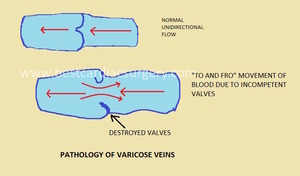
Varicose veins are swollen, twisted veins that result from poor circulation and valve dysfunction in the superficial venous system. If left untreated, they can cause discomfort and lead to serious complications.
Common Causes of Varicose Veins:
✅ Faulty vein valves causing blood pooling
✅ Deep vein thrombosis (DVT) or thrombophlebitis
✅ Prolonged standing or excessive pressure on veins
✅ Hormonal changes during pregnancy
✅ Genetic predisposition
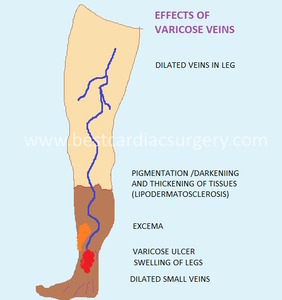
Symptoms and Complications of Varicose Veins:
- Leg pain, heaviness, and swelling
- Skin discoloration (hemosiderin staining)
- Hardening of tissues (lipodermatosclerosis)
- Itching, rashes, and eczema
- Recurrent infections and cellulitis
- Painful ulcers, especially near the ankles
- Increased risk of deep vein thrombosis (DVT)
Early diagnosis and varicose vein treatment can prevent these complications and improve your quality of life.
What are the Best Treatments for Varicose Veins?
- Conservative Management
Most patients can manage symptoms without surgery:
✔️ Leg elevation at night and during rest
✔️ Calf exercises to promote blood circulation
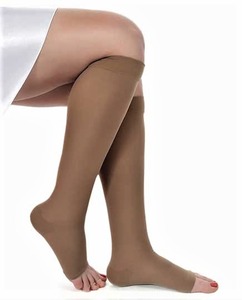
✔️ Compression stockings (Class II) for vein support
✔️ Medications (calcium dobesilate & diosmin – limited evidence)
- Endovenous Ablation Therapy
Minimally invasive techniques that seal faulty veins:
✔️ Radiofrequency Ablation (RFA) – Uses heat to close affected veins
✔️ Laser Therapy (EVLT) – A high-intensity laser seals off veins
Both methods have high success rates, minimal discomfort, and quick recovery.
- Venaseal Treatment (Medical Adhesive Closure)
Venaseal is a revolutionary non-thermal, non-sclerosant procedure that closes varicose veins using medical-grade adhesive. Unlike laser or radiofrequency treatments, Venaseal:
✔️ Requires no heat or tumescent anesthesia
✔️ Has minimal discomfort and no risk of nerve injury
✔️ Provides immediate recovery – patients walk out of the clinic
✔️ Reduces the need for compression stockings post-procedure
Venaseal is an excellent choice for patients looking for a painless, effective, and quick treatment option.
- Sclerotherapy
Injection of Polidocanol into smaller varicose veins and spider veins. This method shrinks veins over time, improving both aesthetics and symptoms.
- Trendelenburg Procedure
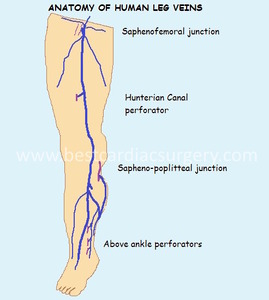
Saphenofemoral junction disconnection at the groin to prevent venous reflux. This is recommended when large vein incompetence is detected.
- Perforator Ligation
Identifying and closing abnormal perforator veins using ultrasound guidance. This prevents recurrence and improves long-term outcomes.
- Microphlebectomy
A minimally invasive technique to remove larger varicose veins through tiny incisions.
OUR SURGICAL PHILOSOPHY: In order to reduce the recurrence rate, we (Dr Avinash Dal unit) uses a combination therapy of perforator ligation, endovenous laser ablation and sclerotherapy of side branch veins that have enlarged due to the pressure. This gives a very small incidence of recurrence instead of only laser ablation.
We reserve laser ablation if there are no perforators or if the patient requests a procedure without scar. In some patients we do use Venaseal which is also good in the fact that it does not need any regional anaesthesia as there are no punctures along the vein to inject the “tumescence” agent
Postoperative Care for Varicose Veins Surgery : Ensuring a Smooth Recovery
Following varicose veins surgery, proper aftercare is crucial for faster healing:
✔️ Leg elevation when resting or sleeping
✔️ Compression stockings (Class II) during daytime
✔️ Gentle calf exercises for circulation
✔️ Regular wound care with prescribed ointments
✔️ Avoid prolonged standing for the first few weeks
✔️ Pain relievers and antibiotics as prescribed
✔️ Follow-up consultations to monitor healing
Patients can resume light activities within days but should avoid strenuous exercise for a few weeks.
Diagnosis: Investigation Protocol for Deep Vein Thrombosis (DVT)
- Venous Doppler Ultrasound – To assess vein health
- Abdominal Ultrasound – To rule out hidden malignancies
- ECHO – To check for right atrial/right ventricular dilation
- Chest X-ray – To evaluate lung and heart function
- Blood Tests – CBC, platelet count, PT/INR, APTT
- Specialized Tests – Homocysteine levels, fasting lipid profile, Vitamin D, TSH (optional), Protein C & S levels
- Imaging techniques: rarely, CT venogram or MRI venogram are indicated
Detecting clotting disorders early can help prevent pulmonary embolism and serious complications.
Frequently Asked Questions (FAQs) about Varicose Veins Surgery & Treatment
- Is varicose veins surgery painful?
Modern treatments like laser therapy, Venaseal, and RFA involve minimal discomfort and quick recovery. Local anesthesia is used for pain-free procedures.
- How long does recovery take after varicose vein surgery?
Most patients resume normal activities within 2-4 days. Full recovery can take 2-4 weeks, depending on the procedure.
- Can varicose veins return after treatment?
Recurrence is possible, especially if risk factors like prolonged standing persist. Proper aftercare and lifestyle changes help prevent recurrence.
- What is the most effective treatment for varicose veins?
Endovenous ablation, Venaseal, and sclerotherapy are the most effective minimally invasive treatments with long-lasting results.
- Do I need to wear compression stockings after surgery?
Compression stockings are recommended for most procedures, except for Venaseal, where they may not be necessary. After most varicose veins procedures, one has to wear stockinets in the daytime for more than 3 months (6 months is ideally mentioned in some texts)
Why Choose Dr. Avinash Dal for Varicose Veins Surgery?
✅ Highly experienced in minimally invasive vein treatments
✅ State-of-the-art techniques like Venaseal, RFA, and laser therapy
✅ Comprehensive preoperative assessment for best outcomes
✅ Personalized treatment plans for every patient
✅ Proven track record of high success rates and patient satisfaction
With extensive experience in treating varicose veins, Dr. Avinash Dal ensures safe, effective, and lasting relief from venous problems.