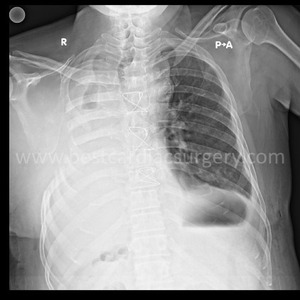
VATS-THORACIC SURGERY

Learn about VATS – thoracic surgery, a minimally invasive approach for lung resections, mediastinal tumours. Consult Dr. Avinash Dal the best VATS surgeon in Hyderabad who specializes in VATS- minimally invasive thoracic procedures. He undertakes even high-risk surgeries with the best outcomes

What is VATS-Video-Assisted Thoracic Surgery (VATS)?

Video-Assisted Thoracic Surgery (VATS) is a minimally invasive thoracic surgery technique used to diagnose and treat various lung and chest conditions. Unlike traditional open thoracic surgery, VATS requires only small incisions, reducing pain, bleeding, and recovery time. This advanced technique allows surgeons to perform complex lung surgeries, pleurodesis, mediastinal tumor removal, and other procedures with precision and minimal trauma.

VATS has revolutionized thoracic surgery by improving exposure and reducing the morbidity associated with large, painful incisions. The introduction of modern surgical tools such as endo-staplers and harmonic scalpels has further expanded the scope of VATS, enabling lung resections and other intricate procedures to be performed safely and effectively.

types of VATS

  • Multiportal VATS: we use multiple ports akin to laparoscopy 
  • uniportal VATS: we use one small mini-thoracotomy and place all the instruments in a particular fashion through the same
  • needle-scopic VATS: use small ports for 3mm or 4mm scopes and is especially useful for pleural examination and biopsy
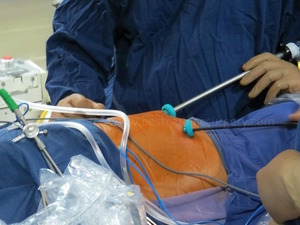
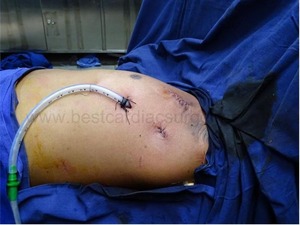
  • subxiphoid VATS: can approach via the subxiphoid route instead of the intercostal route: avoids postoperative pain and hence gives good recovery. Bilateral VATS can be done at the same time in supine position. Dr Avinash Dal has performed bilateral lung resections using this
  • Cervical VATS : it is an extension of mediastinoscopy and is especially useful for diagnosis
  • RATS : Robotic assisted thoracic surgery

Benefits of VATS-thoracic Surgery

The advantages of VATS over traditional open thoracic surgery are numerous:

  • Minimally Invasive: Smaller incisions mean less post-operative pain, minimal scarring, and improved cosmetic outcomes.
  • Faster Recovery: Shorter hospital stays and quicker return to normal activities.
  • Reduced Bleeding: Minimal trauma to surrounding tissues leads to lower blood loss during surgery.
  • Improved Accuracy: High-definition visualization enhances surgical precision, leading to better patient outcomes.
  • Better Immunological Response: Studies have shown that minimally invasive thoracic surgery techniques like VATS help preserve immune function better than open surgery.

What is Subxiphoid VATS

A novel approach for bilateral lung resections in a single sitting, subxiphoid VATS allows surgeons to operate on both lungs through a single incision below the sternum, minimizing post-operative pain and enhancing recovery.

VATS-Thoracic Surgery- subxiphoid technique
VATS-Thoracic Surgery-Subxiphoid Technique
VATS-Thoracic Surgery- Lingular Lobectomy by Dr Avinash Dal
VATS-Lingular Lobectomy via Subxiphoid VATS
VATS- Thoracpscopic Surgery-VATS Middle Lobectomy via Subxiphoid VATS
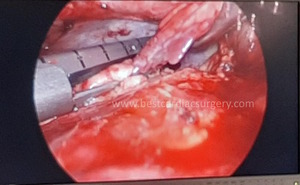
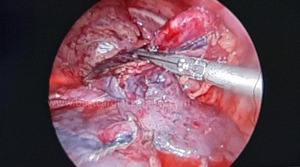
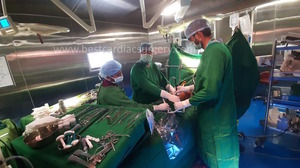
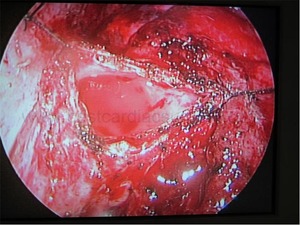
VATS IN PROGRESS

When is VATS-Thoracic Surgery Used?

VATS is a versatile surgical technique used in a wide range of thoracic procedures, including:

Lung Resections

Lung resections, including wedge resections, segmentectomy, and lobectomy, are commonly performed using VATS to treat lung cancer, infections, and cysts. The minimally invasive approach reduces the risk of complications and promotes faster healing.

Pleural Biopsies & Drainage

Patients suffering from recurrent pleural effusions, pneumothorax, or undiagnosed pleural diseases benefit from VATS pleural biopsy and drainage, which provide accurate diagnoses and effective treatment

Mediastinal Tumor Removal

VATS is widely used for mediastinal mass and thymus gland removal (VATS thymectomy). This technique is highly effective in treating conditions such as myasthenia gravis and other intrathoracic tumours. Mediastinal lymphadenopathy staging can be done with VATS including those nodes in under the trachea (subcarinal) and upper mediastinum

Chest Wall Mass Excision

VATS enables precise removal of tumors and abnormal growths in the chest wall with minimal trauma and excellent cosmetic results.

Bronchopleural Fistula Closure

A bronchopleural fistula is a persistent air leak between the bronchus and pleural space. VATS provides an effective minimally invasive approach to sealing these fistulas, significantly improving patient quality of life.

Pleurodesis for Recurrent Pneumothorax

Pleurodesis is a procedure that prevents the recurrence of pneumothorax by creating adhesions between the pleural layers. VATS pleurodesis is an excellent option for patients with recurrent spontaneous pneumothorax. . Pleurodesis or sealing of the pleura can be done in recurrent pleural effusions or pneumothorax under VATS guidance by either powder insufflation, chemical instillation or surgical pleurodesis

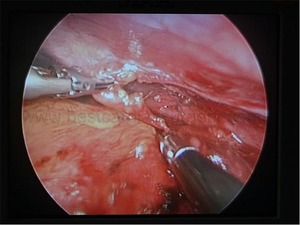
VATS-Thoracoscopic Surgery-Technique by Dr Avinash Dal
VATS Technique
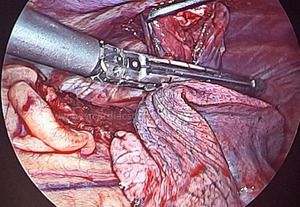
VATS-Thoracoscopic Surgery-Staple Application by Dr Avinash Dal
Staple Application on Lung
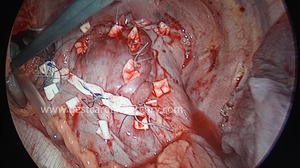
VATS Thoracoscopic Surgery- suturing of lung incision

Limitations of VATS-Thoracic Surgery

While VATS is highly effective, there are certain situations where open thoracic surgery may be necessary:

  • Dense Pleural Adhesions: In cases where pleural adhesions make it difficult to access the lungs, open surgery may be required.
  • Single Lung Ventilation Issues: Some patients cannot tolerate single-lung ventilation, making VATS less suitable.
  • Severe Bleeding: If significant bleeding occurs during surgery, conversion to an open approach may be necessary.

Case Studies & Surgical Success Stories of vats-thoracic surgery

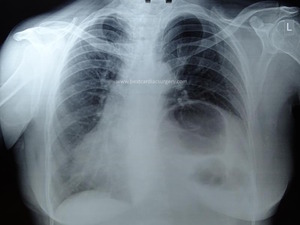
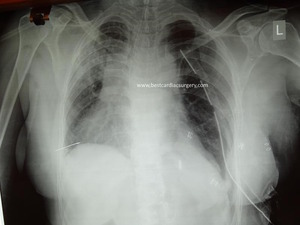
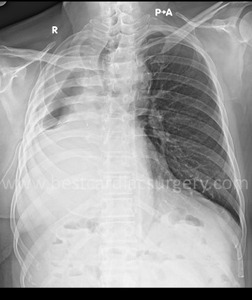
Eventration of Diaphragm - VATS Plication

A patient with diaphragm eventration was successfully treated through VATS. The procedure involved diaphragm plication and prolene mesh augmentation, restoring diaphragm function and improving respiratory efficiency.

VATS-Thoracic Surgery-Eventration of Diaphragm
EVENTRATION OF DIAPHRAGM- PRE-OPERATIVE X-RAY
VATS-Thoracic Surgery Eventration of Diaphragm
VATS-THORACIC SURGERY, EVENTRATION OF DIAPHRAGM, POST-OPERATIVE X-RAY

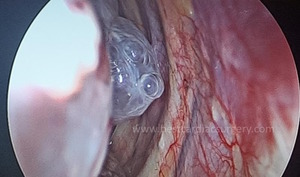
VATS-Thoracic Surgery Bronchogenic Cyst Removal

A bronchogenic cyst was removed successfully through VATS, reducing the risk of infection and preventing respiratory complications.

VATS-Thoracic Surgery- Bronchogenic Cyst
VATS- BRONCHOGENIC CYST
VATS-Thoracic Surgery-chest wall tumour
VATS -REMOVAL OF CHEST WALL TUMOUR

VATS Thymectomy

Thymus gland removal via thoracoscopy offers excellent results with minimal post-operative discomfort. This is particularly beneficial for patients with myasthenia gravis.

VATS-Thoracic Surgery-Thymectomy
VATS-THORACIC SURGERY-THYMECTOMY PROCEDURE
VATS-Thoracic Surgery-Thymectomy
VATS- THYMUS GLAND BEING DISSECTED THORACOSCOPICALLY BY DR AVINASH DAL
VATS-THORACIC SURGERY-FINAL INCISIONS AFTER REMOVAL OF THYMIC MASS
VATS-Thoracic Surgery-Thymectomy
VATS- THYMUS GLAND BEING DISSECTED THORACOSCOPICALLY BY DR AVINASH DAL

VATS Bullectomy

Large bullae in the lung can cause severe complications such as pneumothorax. VATS bullectomy is a minimally invasive solution that prevents rupture and lung collapse.

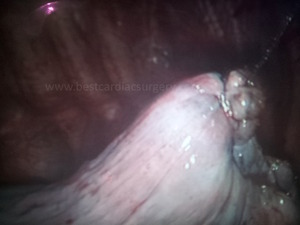
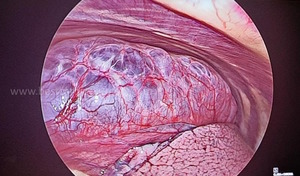
VATS-Thoracic Surgery- bullectomy by Dr Avinash Dal
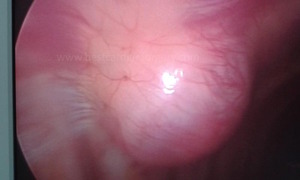
VATS-see the large bulla in the lung even after collapsing the lung
VATS-Thoracic Surgery-bullectomy by Dr Avinash Dal
VATS- paper thin bulla in the lung which may collapse at the next cough

Trans-Sternal Trans-Pericardial Bronchopleural Fistula Closure

A 55-year-old patient suffered for 12 years with a persistent bronchopleural fistula. Transsternal-transpericardial bronchial staple ligation and thoracoplasty, providing long-term relief and recovery.

VATS-Thoracic Surgery- Bronchopleural Fistula by Dr Avinash Dal
VATS- Preoperative X-Ray showing residual pleural space
VATS-Thoracic Surgery-Bronchopleural Fistula by Dr Avinash Dal
Post-operative X-Rayshowing obliteration after Thoracoplasty

How VATS-Thoracic Surgery Enhances Surgical Precision

VATS has significantly improved the field of thoracic surgery due to:

  • Magnification: The high-resolution camera provides enhanced visibility, improving accuracy.
  • Stapler Techniques: Endo-staplers allow precise lung tissue resection and closure.
  • Thoracoscopic Needle Drivers & Suturing: These advanced tools allow for effective suturing within the chest cavity, even with limited access.

Frequently Asked Questions (FAQs) about VATS - Thoracic Surgery

  1. What is Video-Assisted Thoracic Surgery (VATS)?

VATS is a minimally invasive surgical technique used to diagnose and treat conditions affecting the lungs and chest. It involves small incisions and a camera-guided approach, reducing pain, bleeding, and recovery time compared to open thoracic surgery.

  1. What conditions can be treated with VATS?

VATS is used for lung resections, pleural biopsies, mediastinal tumor removal, pleurodesis for recurrent pneumothorax, bronchopleural fistula closure, and more. It is an advanced alternative to traditional open-chest surgery.

  1. What are the benefits of VATS over traditional thoracic surgery?

The key benefits include smaller incisions, reduced post-operative pain, faster recovery, less blood loss, better cosmetic results, and lower risk of infection.

  1. Is VATS a safe procedure?

Yes, VATS is a well-established and safe technique when performed by an experienced thoracic surgeon. However, in rare cases, open surgery may be needed if complications arise, such as severe bleeding or dense pleural adhesions.

  1. How long does it take to recover from VATS?

Most patients experience a quicker recovery compared to open surgery. Hospital stays are typically shorter, and many patients can resume daily activities within a few weeks. However, full recovery depends on the specific procedure and individual health conditions.

  1. Will I experience pain after VATS surgery?

Since VATS uses small incisions, post-operative pain is significantly less than open thoracic surgery. Pain management options, including medications, are available to ensure comfort during recovery.

  1. Who is a good candidate for VATS?

Patients with lung diseases, pleural effusions, pneumothorax, mediastinal tumors, or chest wall abnormalities are often candidates for VATS. However, suitability depends on factors such as lung function, overall health, and the severity of the condition.

  1. Can lung cancer be treated with VATS?

Yes, early-stage lung cancer can often be treated with VATS lobectomy or wedge resection. This minimally invasive approach has excellent outcomes for selected patients.

  1. What is pleurodesis, and how does VATS help?

Pleurodesis is a procedure to prevent recurrent pneumothorax (collapsed lung) or pleural effusion by fusing the lung to the chest wall. VATS pleurodesis is a highly effective and minimally invasive technique for long-term relief.

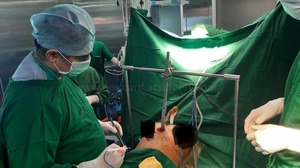
Why Choose Dr. Avinash Dal for VATS-Thoracic Surgery?

Dr. Avinash Dal is a highly skilled thoracic surgeon with extensive experience in minimally invasive thoracic surgery. His expertise in VATS ensures optimal outcomes with minimal risks. He specializes in a wide range of procedures, including lung resections, pleurodesis, mediastinal tumor removal, and complex thoracic reconstructions.

With a patient-centered approach, Dr. Avinash Dal ensures the highest standards of care, utilizing the latest advancements in thoracoscopic surgery for better results and faster recovery.

Schedule Your Consultation Today

If you or a loved one require VATS-thoracic surgery, trust the expertise of Dr. Avinash Dal to provide safe, effective, and minimally invasive solutions.

📞 Call 9848025467 Now or Schedule an Appointment today www.bestcardiacsurgery.com 

Scroll to Top