
Vascular Surgery: Advanced Treatment for Aneurysms & Blood Vessel Disorders
Get expert vascular surgery & endovascular aortic repair (EVAR) with Best Vascular Surgeon Dr. Avinash Dal. Know more about aortic aneurysm treatment, AV fistula creation from the expert.
What is Endovascular Aortic Repair (EVAR)?
Endovascular Aortic Repair (EVAR) is a minimally invasive procedure for treating aortic aneurysms. Instead of traditional open surgery, a stent graft is placed inside the affected artery to reinforce the weakened blood vessel and restore normal blood flow.
How EVAR Works
The procedure involves inserting a stent graft through a small incision in the groin. Using X-ray guidance, the stent is positioned inside the aneurysm, effectively sealing off the weakened area and preventing rupture.
Advantages of EVAR:
- Minimally invasive: No large incisions, reducing recovery time.
- Lower risk: Reduced chances of complications compared to open surgery.
- Faster recovery: Patients can resume normal activities sooner.
- Less blood loss: Lower need for blood transfusions.
- Shorter hospital stay: Many patients are discharged within a few days.
One of the complex Vascular Surgery Procedures done by us
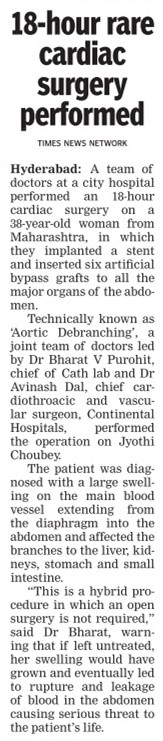
We have successfully performed EVAR procedures, including complex total aortic debranching cases, where all major branches supplying abdominal organs are bypassed before placing the stent graft. This advanced technique ensures optimal blood circulation and improved patient outcomes.
Aortic Debranching- a complex Vascular Surgery Procedure
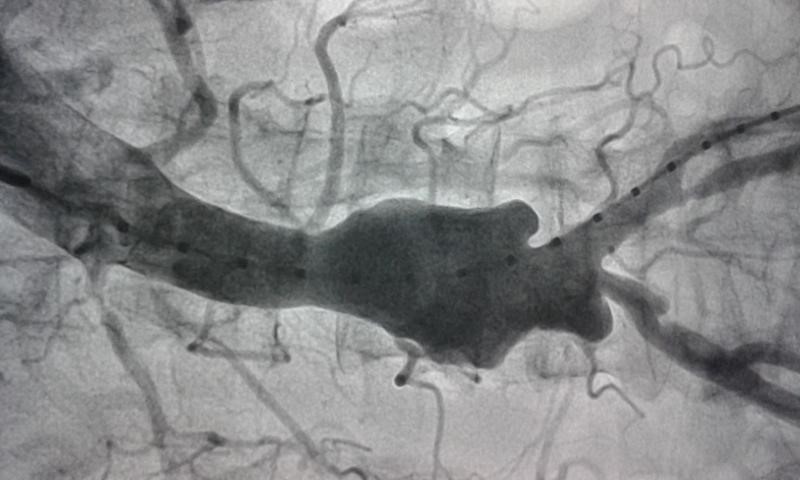
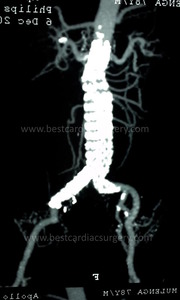
We performed a total aortic debranching of the thoraco-abdominal aorta and then performed an EVAR . In this case, the complete branches to the abdominal organs were bypassed from bilateral iliac arteries. The arteries bypassed were the Coeliac, superior mesenteric, left hepatic, abberant right hepatic artery and both renal arteries. This is termed as Aortic debranching operation.The patient is doing well
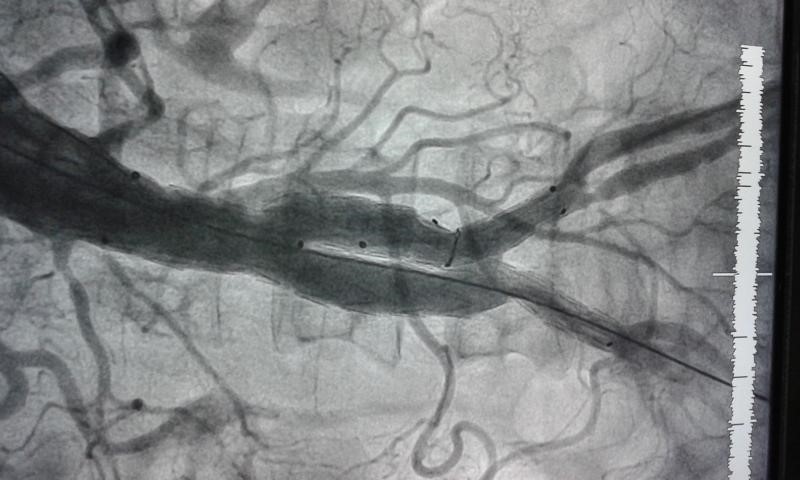
ENDOVASCULAR REPAIR OF AORTIC ANEURYSM
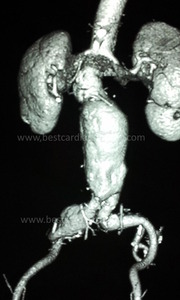
We have successfully treated the aneurysm of aorta with endovascular technique [ without opening the chest or abdomen] and have managed 8 cases with such problems as shown below
AV Fistula:Dialysis Access for Chronic Kidney Disease Patients
For patients with chronic renal failure, achieving proper vascular access for hemodialysis is crucial. Indwelling intravascular catheters increase the risk of infections and vein thrombosis. The preferred alternative is the Arteriovenous (AV) Fistula, which allows for safer and more effective dialysis.
What is an AV Fistula?
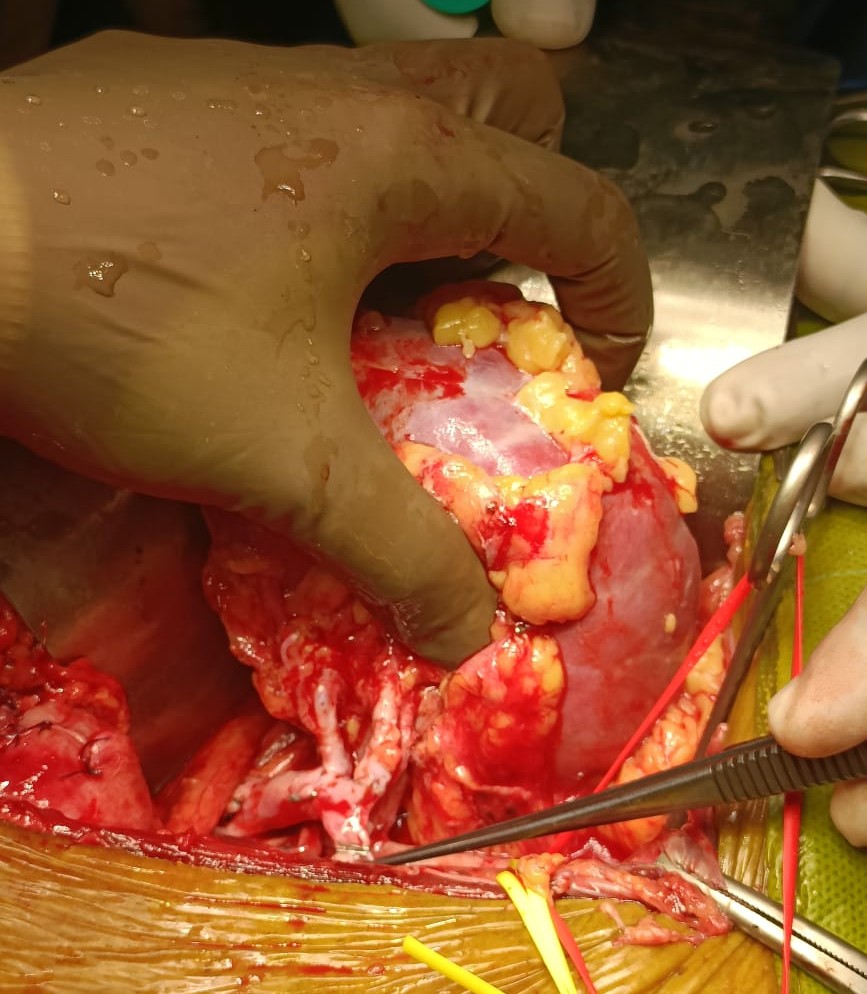
An AV fistula is a direct connection between an artery and a vein, usually in the arm, allowing for high blood flow rates needed for dialysis. This procedure is preferred because it lasts longer and has fewer complications compared to catheters.
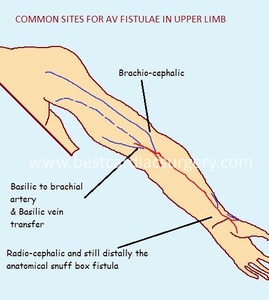
Common AV Fistula Sites:
- Radiocephalic fistula: Wrist region; between the radial artery and the cephalic vein
- Brachiocephalic fistula: Elbow region : between the brachial artery and the cephalic vein at the elbow.
- Basilic vein transposition: Upper arm: in this operation, the basilic vein, which is on the medial side of the arm and draining deep into the accompanying veins of the brachial artery (venae commitantes) . In this operation the veins is brought anteriorly just under the skin and anastomosed at the elbow level to the brachial artery. This requires regional block for the procedure as it is more extensive.
Benefits of AV Fistula:
- Lower risk of infection compared to catheters
- Improved blood flow for efficient dialysis
- Longer lifespan with proper care
Our expertise in AV fistula creation ensures reliable access for dialysis, improving the quality of life for patients undergoing long-term treatment.
Comprehensive Vascular Surgery Services
Our vascular surgery unit specializes in treating a variety of conditions, including:
- Aortic aneurysm repair (both open and endovascular procedures)
- Arteriovenous (AV) fistula creation for dialysis patients
- Varicose vein treatment using endovenous ablation techniques
- Bentall de Bono surgery for aortic root replacement
- Tirone David II valve-sparing aortic root replacement
- Peripheral artery disease (PAD) treatment
- Carotid artery surgery for stroke prevention
- Renal transplant vascular expertise
With extensive experience in aortic and peripheral vascular surgery, we offer cutting-edge treatment options tailored to each patient’s needs.
The Impact of Smoking on Vascular Health
Tobacco: The Enemy of Your Blood Vessels
Smoking and tobacco use are among the leading causes of vascular disease. We strongly advise against undergoing elective vascular surgery if the patient is an active smoker, as the risk of failure increases significantly.
Why Quit Smoking Before Surgery?
- Improved healing: Smoking restricts blood flow, delaying recovery.
- Reduced complications: Lowers the chances of graft failure and clot formation.
- Better long-term results: Enhances the effectiveness of vascular interventions.
Smoking leads to chronic inflammation of blood vessels, accelerating the development of conditions like peripheral artery disease (PAD), aortic aneurysms, and carotid artery stenosis. Studies show that quitting smoking can significantly reduce the risk of vascular complications and improve surgical outcomes.
This principle is deeply ingrained in our practice, influenced by training from the Sree Chitra Tirunal Institute for Medical Sciences and Technology, Thiruvananthapuram, India.
Frequently Asked Questions (FAQs) about Vascular Surgery
- What are the symptoms of an aortic aneurysm?
Most aortic aneurysms develop without symptoms. However, some signs include deep, constant pain in the chest or abdomen, a pulsating sensation in the stomach, or sudden, severe back pain if the aneurysm ruptures.
- How do I know if I need vascular surgery?
If you experience symptoms such as leg pain while walking, non-healing wounds on the legs, swelling in the veins, or have a diagnosed aneurysm, a vascular consultation is recommended to determine the best treatment options.
- Is EVAR better than open surgery?
EVAR is a preferred option for many patients due to its minimally invasive nature, faster recovery, and lower risk of complications. However, open surgery may still be required for complex cases where stent graft placement is not feasible.
- Can varicose veins be treated without surgery?
Yes, varicose veins can be treated with non-surgical methods such as endovenous laser therapy (EVLT) and radiofrequency ablation (RFA), which seal off faulty veins using heat energy.
- How can I prevent vascular diseases?
Maintaining a healthy lifestyle by quitting smoking, exercising regularly, eating a balanced diet, and managing conditions like diabetes and high blood pressure can significantly reduce the risk of vascular diseases
Schedule a Consultation with Dr. Avinash Dal
If you need expert vascular surgery, endovascular aortic repair, or varicose veins treatment consult with Dr. Avinash Dal today. Our specialized team ensures the best care with advanced treatment options.