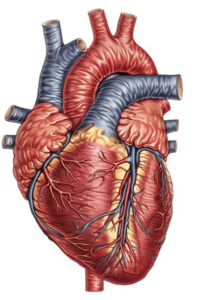

Coronary Artery Bypass Surgery (CABG)
Learn about Coronary Artery Bypass Surgery (CABG), a life-saving procedure for heart blockages. Discover its benefits, recovery process, and expert treatment by Dr. Avinash Dal.
What is CABG?
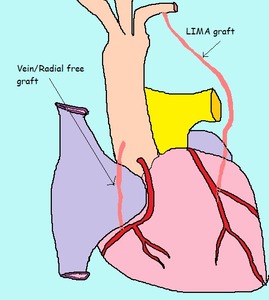
CABG is a surgical procedure to help restore blood supply to the heart muscle by using grafts, in patients with severe coronary artery disease, when arteries supplying the heart are blocked. These blocks are bypassed with conduits taken from our own self and they include arteries and veins. The internal mammary arteries also called IMA (may be LIMA or RIMA depending on whether it from left side or right side ) are the best grafts and give the most long term results as compared to any other graft or coronary stent. Other arterial grafts are the radial artery and gastro-epiploic artery. If the arterial grafts aren’t good in size, flow or are diseased or using them may cause some other complication like sternal wound problem, we use veins from the legs. In our unit, leg veins are a low priority.
Treatment options for coronary artery disease include:
- Medical Management (medications)
- Angioplasty & Stenting (PTCA/PCI)
- Bypass Surgery (CABG)
The most important consideration in Dr Avinash Dal unit is giving long term results at the same time minimizing the complications or side effects of the operation. Long term results are most vital and CABG operation gives the better results than any other options in the long term in various studies. We have to balance the pros and cons and tailor the management plan for each patient in consultation with our cardiology colleagues.
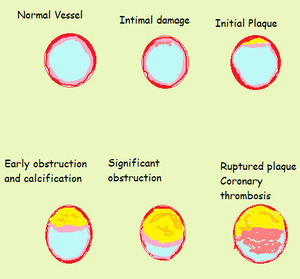

When is CABG Recommended?
It is the preferred treatment in cases of:
✔️ Multiple artery blockages
✔️ Blockages near major blood vessels
✔️ Diabetes (as stents tend to block faster in diabtetics
✔️ Complex or long-segment arterial blockages
How is CABG Performed?
It is typically performed using the off-pump (beating heart) technique, allowing for a quicker recovery. However, in complex cases, the heart-lung machine (on-pump CABG) is used. Studies indicate no significant difference in outcomes between the two techniques, except for patients with kidney or lung dysfunction.
Bypass Surgery can be performed through small keyhole incisions (Minimally invasive CABG or MICS) and this helps in faster recovery.
We now have the option of doing endoscopic surgery which is the level IV minimally invasive surgery through the operating thoracoscope. Also, with the advent of ROBOTIC assisted surgery, we can do the harvesting of the grafts with the help of the surgical robot. Till now robotic CABG hasn’t progressed beyond harvesting as we are awaiting the arrival of endo-staplers small enough to cater to the coronary anastomoses
In some, the coronary artery is totally blocked and the whole block has to be removed from inside before one can place the graft. This process is called endarterectomy.
Types of Grafts Used in CABG
Grafts are blood vessels used to bypass blockages. Artificial grafts are ineffective for coronary bypass, so we use the patient’s own blood vessels.
🟢 Preferred grafts include:
- Left Internal Mammary Artery (LIMA) – The gold standard for long-term results.
- Radial Artery – Used if it has good circulation from the ulnar artery; excellent long-term success.
- Right Internal Mammary Artery (RIMA) – Used selectively for total arterial revascularization.
- Saphenous Vein Grafts (SVGs) – Harvested from the leg, used when arterial grafts are insufficient. Vein grafts can be harvested with keyhole technique (endoscopic vein harvesting system)
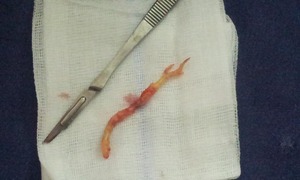
The GUIDELINES for CABG as per the Society of Thoracic Surgeons can be referred here.
Postoperative Recovery After CABG
Recovering from bypass surgery requires active participation to ensure a smooth transition back to normal life.
✅ Immediate Postoperative Period
- IV lines for medications and drainage tubes for chest fluid.
- Mild discomfort and nausea are normal; eating and drinking when allowed aids recovery.
- Pain management is provided, but mild discomfort is expected.
- Breathing exercises (spirometer use) help prevent lung complications.
- Walking and arm exercises will begin early to aid circulation and healing.
✅ Transition to the Ward
- Family members may feel anxious about postoperative care—do not hesitate to ask medical staff for clarifications.
- Pain, nausea, and loss of appetite will gradually subside.
- Mobilization is encouraged to prevent joint stiffness and enhance recovery.
✅ Home Recovery and Lifestyle Changes
- Increase walking gradually to at least 20 minutes per day.
- Maintain a heart-healthy diet based on your diabetic status, blood pressure, and lipid profile.
- Bathing and hygiene are crucial; sponge baths only if instructed.
- Avoid lifting heavy objects and driving for one month.
- Sexual activity can resume after a month, but consult your doctor before using medications like Sildenafil.
- Regular follow-ups and prescribed medications are essential for long-term success.
- Exercise recommendations: Walking, cycling, swimming, yoga, and Tai Chi are beneficial. Religious practices like Namaz and Suryanamaskar can be resumed gradually.
✅ Long-Term Medications & Follow-Up
- Blood thinners (antiplatelets) and cholesterol-lowering medications may be lifelong.
- At follow-up, tests will assess heart function and guide further preventive measures.
The GUIDELINES for CABG as per the Society of Thoracic Surgeons can be referred here.
Off-Pump Coronary Endarterectomy
For patients with completely sclerosed arteries where neither stents nor grafts are viable, Coronary Endarterectomy is performed to remove hardened plaque, leaving only the outer vessel layer. This opens the blood channel for successful grafting.
Our center specializes in off-pump coronary endarterectomy, achieving outstanding results with a low complication rate. Patients regain full activity with an effective anticoagulation protocol post-surgery.
Get the Best Coronary Artery Bypass Surgery in Hyderabad from Dr. Avinash Dal
If you or a loved one require Bypass Surgery in Hyderabad, trust the expertise of Dr. Avinash Dal for exceptional surgical outcomes, smooth recovery and long-term heart health.